We ship to all countries/regions worldwide. Please send an email to our team for shipping quotes Click here!

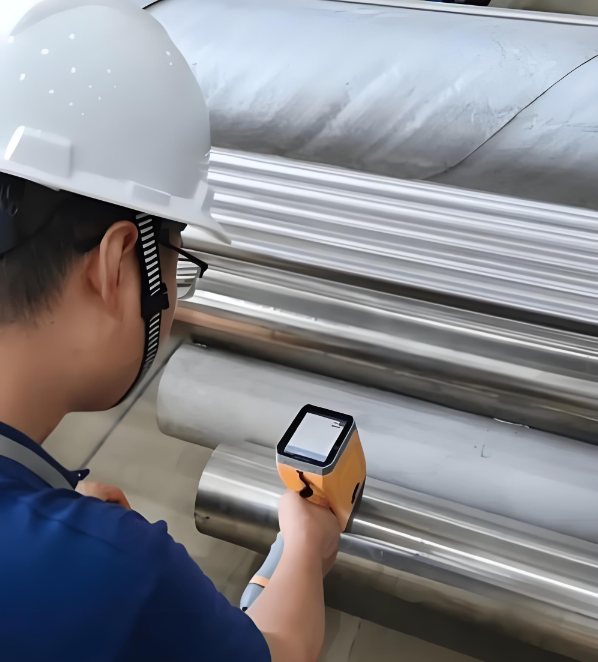
Introduction
The hookah industry in Europe has evolved significantly, with manufacturers and buyers increasingly focusing on material quality, manufacturing processes, and long-term value. Two primary materials dominate the market: aluminum and stainless steel. Understanding their differences in processing, advantages, and limitations is crucial for B2B buyers seeking reliable suppliers. This article provides an in-depth analysis of both materials, addressing current industry pain points and buyer priorities.
Material Properties: Fundamental Differences
Aluminum Hookahs:
Aluminum is lightweight, corrosion-resistant, and offers excellent thermal conductivity. It’s typically cast or extruded, making it cost-effective for mass production. However, its softer nature makes it susceptible to scratching and denting.
Stainless Steel Hookahs:
Stainless steel (commonly grades 304 or 316) is heavier, exceptionally durable, and highly resistant to corrosion and oxidation. Its higher density provides a premium feel and superior longevity, though it requires more advanced machining techniques.
Manufacturing Processes: A Step-by-Step Comparison
Aluminum Hookah Manufacturing
-
Casting Process:
-
Most aluminum hookahs begin as die-cast components
-
Molten aluminum is injected into molds under high pressure
-
Advantage: Rapid production of complex shapes
-
Disadvantage: Porosity issues can affect structural integrity
-
-
Machining & Finishing:
-
Cast components undergo CNC machining for precision
-
Surface treatments include anodizing, polishing, or powder coating
-
Critical Issue: Thinner walls (2-3mm) limit detailed engraving
-
-
Assembly:
-
Components are typically threaded or press-fitted
-
Gaskets and seals must compensate for potential imperfections
-
Stainless Steel Hookah Manufacturing
-
Material Preparation:
-
Sheets or billets are laser-cut or punched
-
Higher material cost but superior consistency
-
-
Forming Processes:
-
Deep drawing techniques create seamless bodies
-
Spinning produces symmetrical components without seams
-
Advantage: Uniform wall thickness (3-5mm) enables intricate work
-
-
Precision Machining:
-
CNC lathes and mills create precise threads and joints
-
Tolerances within 0.05mm ensure perfect sealing
-
-
Surface Treatment:
-
Electroplating, PVD coating, or mirror polishing
-
No protective coatings needed for food-grade stainless steel
-
*Visual Comparison Note: [Image 2: Stainless steel forming processes – would illustrate deep drawing and precision threading]*
Technical Analysis: Processing Challenges and Solutions
Aluminum Processing Limitations:
-
Heat Dissipation Issues: Aluminum’s high thermal conductivity can make hookah bodies uncomfortably hot during extended sessions
-
Thread Wear: Softer threads may degrade after repeated assembly/disassembly
-
Anodizing Consistency: Color variations occur between production batches
-
Welding Difficulties: Requires specialized techniques to avoid weakening joints
Stainless Steel Processing Advantages:
-
Superior Heat Management: Maintains optimal smoking temperature longer
-
Thread Durability: Withstands hundreds of assembly cycles without wear
-
Hygienic Properties: Non-porous surface prevents flavor contamination
-
Welding Quality: TIG welding creates robust, seamless connections
B2B Pain Points: What European Buyers Really Care About
Current Market Frustrations:
-
Inconsistent Quality: Suppliers changing materials without notification
-
Delivery Reliability: Production delays due to processing complications
-
Certification Gaps: Lack of proper food-grade or RoHS compliance documentation
-
Customization Limitations: Inability to execute complex designs
-
After-Sales Support: Poor handling of defect claims or replacement parts
Stainless Steel Advantages Addressing These Pain Points:
-
Predictable Quality: Consistent material properties batch-to-batch
-
Streamlined Production: Fewer rejections mean more reliable timelines
-
Inherent Compliance: 304/316 stainless steel naturally meets food safety standards
-
Design Flexibility: Accommodates intricate patterns and custom requests
-
Lower Return Rates: Enhanced durability reduces customer complaints
Comparative Analysis: Aluminum vs. Stainless Steel
| Factor | Aluminum Hookahs | Stainless Steel Hookahs |
|---|---|---|
| Material Cost | 30-40% lower | Higher initial investment |
| Production Speed | Faster casting cycles | Longer machining times |
| Weight | Lightweight (300-500g) | Substantial feel (800-1200g) |
| Durability | Prone to dents and scratches | Highly resistant to damage |
| Heat Management | Rapid temperature changes | Stable thermal performance |
| Surface Options | Limited by anodizing | Multiple finishing possibilities |
| Lifespan | 2-3 years with regular use | 5+ years with proper maintenance |
| Customization | Basic engraving only | Deep engraving, complex patterns |
| Environmental Impact | Energy-intensive recycling | Fully recyclable with higher value |
The European Market Perspective: Key Decision Factors
Buyer Priorities for European Importers:
-
Regulatory Compliance: REACH, RoHS, and food contact material certifications
-
Shipping Efficiency: Weight considerations versus perceived value
-
Brand Positioning: Material choice communicates quality tier
-
Sustainability: Recyclability and environmental credentials
-
Total Cost of Ownership: Including replacement and warranty costs
Why Stainless Steel Gains Preference:
-
Higher Perceived Value: Justifies premium pricing in competitive markets
-
Reduced Logistics Issues: Fewer damage claims despite higher weight
-
Brand Protection: Superior products enhance distributor reputation
-
Market Trends: Growing consumer preference for “lifetime” products
-
Profit Margins: Higher retail prices with better maintained margins
Processing Disadvantages: Honest Assessment
Aluminum Specific Issues:
-
Galvanic Corrosion: When combined with other metals in humid environments
-
Anodizing Wear: Color coatings scratch to reveal base metal
-
Thread Stripping: Particularly problematic in smaller components
-
Limited Repair Options: Damaged parts usually require replacement
-
Oxidation: White powder formation without proper coating maintenance
Stainless Steel Challenges:
-
Higher Tooling Costs: Specialized cutting tools required
-
Production Speed: 20-30% slower machining than aluminum
-
Energy Consumption: Increased power requirements for processing
-
Expertise Requirement: Skilled operators needed for quality results
-
Initial Investment: Substantial equipment and tooling costs
Future Trends: Where the Market is Heading
European Market Shifts:
-
Premiumization: Consumers trading up to durable, heirloom-quality products
-
Transparency Demand: Supply chain and material sourcing visibility
-
Customization Growth: Personalized and limited edition offerings
-
Hybrid Approaches: Strategic use of both materials in single products
-
Digital Integration: Smart features requiring robust mechanical platforms
Manufacturing Innovations:
-
Automated Polishing: Reducing labor costs for stainless finishing
-
Laser Engraving: Enabling complex customization on stainless surfaces
-
Advanced Coatings: PVD and DLC treatments enhancing both materials
-
Modular Designs: Interchangeable components across product lines
Strategic Recommendations for B2B Buyers
When to Choose Aluminum:
-
Entry-level product lines with strict price constraints
-
Lightweight models targeting portable/camping markets
-
Seasonal or promotional items with shorter life expectations
-
Markets where shipping weight significantly impacts costs
When to Invest in Stainless Steel:
-
Core product lines where reputation is critical
-
Markets with strong environmental regulations
-
Premium segments where differentiation matters
-
Products requiring deep customization
-
Situations where total cost of ownership outweighs initial price
Supplier Evaluation Checklist:
-
Request material certification documents
-
Visit facilities to observe processing capabilities
-
Test sample batches for consistency
-
Verify finishing process quality controls
-
Assess capacity for potential volume increases
-
Review after-sales and warranty policies
Conclusion
The choice between aluminum and stainless steel hookahs represents more than just material selection—it reflects strategic positioning, quality commitment, and market understanding. For European buyers, stainless steel offers compelling advantages despite higher initial costs, particularly in addressing growing demands for durability, safety, and premium experiences.
Aluminum remains relevant for specific market segments, but stainless steel’s processing advantages—superior machining precision, enhanced durability, and greater design flexibility—increasingly align with European market trends toward quality and sustainability.
Successful sourcing requires matching material capabilities to target markets, understanding total value beyond initial price, and partnering with manufacturers possessing appropriate technical expertise. As the market continues evolving, those who master these distinctions will secure competitive advantages in Europe’s sophisticated hookah marketplace.
Note: For detailed visual comparisons and technical specifications, please contact us for our comprehensive manufacturer’s guide with full-color process illustrations and material test reports.