We ship to all countries/regions worldwide. Please send an email to our team for shipping quotes Click here!

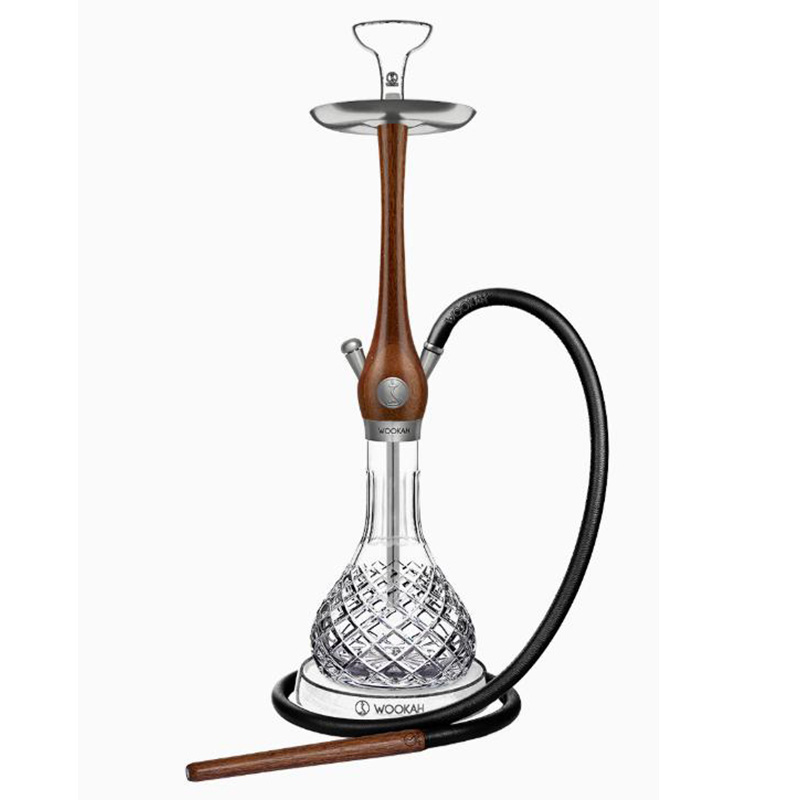
American English has fixed, widely understood semantic splits for these terms:
- The physical waterpipe device: The overwhelming default term for the smoking apparatus is hookah. This is the word 90% of Americans use to refer to the full device, regardless of its design or origin.
- The smoking material: The term shisha is most commonly used in the U.S. exclusively to describe the flavored, molasses-and-glycerin-based tobacco blend (also called maassel) smoked in the device, not the device itself.
- Formal generic term: The official, neutral term for the device in technical and regulatory settings is waterpipe.
Rare, niche terms like narghile, argileh, or goza are almost never used in mainstream American conversation, limited only to small, specific ethnic communities.
How: How Do Americans Use These Terms in Daily and Commercial Contexts?
American English follows consistent, context-specific usage rules across settings:
- Casual social conversation: The word “hookah” dominates. Phrases like “Let’s go to a hookah lounge”, “Do you have a hookah at home?”, or “We’re smoking hookah tonight” are universal. “Shisha” is almost never used to describe the activity or device in mainstream casual talk.
- Retail and venue menu language: At hookah lounges, smoke shops, and licensed retailers, “shisha” is exclusively used to label the flavored tobacco product. Menus list “shisha flavors” (e.g., double apple, mint mango) rather than “hookah flavors”, and packaged products are sold as “shisha tobacco”.
- Regulatory and public health language: U.S. federal bodies including the Food and Drug Administration (FDA) and Centers for Disease Control and Prevention (CDC) use the formal term waterpipe tobacco products (WTPs) to regulate and research the category, avoiding casual terms like hookah or shisha in official legal and scientific documents.
- Bilingual community exception: In areas with large Middle Eastern, North African, or South Asian populations, native speakers may use “shisha” to refer to the device in casual, ethnic community settings, mirroring global Arabic/Persian usage.
Where: Where in the U.S. Are These Terms Used, and Are There Regional Differences?
There is a clear geographic split in term usage across the country:
- Nationwide universal term: “Hookah” is used consistently across every U.S. state, in both urban and rural areas, with no regional barrier to understanding. It is the only term universally recognized by all American English speakers, regardless of location or background.
- “Shisha” for the device: concentrated in diverse immigrant hubs: The use of “shisha” to refer to the waterpipe device (rather than just the tobacco) is almost entirely limited to major metropolitan areas with large Arab, Middle Eastern, and South Asian immigrant populations, including:
- Southern California (Los Angeles, Orange County, San Diego)
- New York City and the New York metro area
- Southeast Michigan (Dearborn/Detroit, home to the largest Arab-American population in the U.S.)
- South Florida (Miami, Fort Lauderdale)
- Houston, Texas, and Chicago, Illinois
- Inland and rural U.S.: In the Midwest, Great Plains, and rural parts of the country, “shisha” is almost exclusively understood to mean the flavored tobacco. Nearly all residents use “hookah” for the device, and many rural Americans do not recognize “shisha” as a term for the apparatus at all.
Why: Why Do Americans Primarily Use “Hookah” Instead of “Shisha”?
There are 4 core historical, cultural, and commercial drivers for this naming convention:
- Early linguistic adoption in American English: The word “hookah” derives from the Hindi/Urdu term huqqa, which entered British English during colonial rule in India, then spread to American English far earlier than the Arabic term “shisha”. It was the only widely recognized word for the device in the U.S. for most of the 20th century.
- Immigration and cultural introduction: The first widespread waterpipe culture in the U.S. was brought by South Asian (Indian, Pakistani) immigrants in the mid-to-late 20th century, who used the term “hookah”. Middle Eastern and Arab immigration, which brought the term “shisha”, grew more significantly later, and never replaced the already established “hookah” in mainstream usage.
- Commercial branding and mainstream normalization: When hookah lounges exploded in popularity across the U.S. in the 1990s and 2000s, nearly all venues branded themselves as “hookah lounges” or “hookah bars”. This commercial standardization cemented “hookah” as the default term in American pop culture, social media, and mainstream conversation.
- Semantic clarity: American English speakers adopted a fixed split to avoid ambiguity: hookah = the device/activity, shisha = the flavored tobacco. This distinction simplifies casual conversation and commercial transactions, and has become a permanent feature of American usage.
Which: Which Terms Are Most/Least Common, and Which Are Used in Specific Contexts?
Below is a ranked breakdown of term prevalence and their dedicated use cases in the U.S.:
- Most common (95% of mainstream usage): Hookah
- Primary use: The physical waterpipe device, the social activity of smoking, and venue naming (hookah lounge/bar)
- Audience: Universal across all age groups, regions, and backgrounds in the U.S.
- Second most common: Shisha
- Primary use: Almost exclusively the flavored molasses tobacco product; only used for the device in tight-knit ethnic immigrant communities
- Audience: Primarily people who regularly use hookah, and Arab/Middle Eastern/South Asian American communities
- Formal/regulatory only: Waterpipe
- Primary use: Official FDA/CDC documents, public health research, state and federal tobacco regulations, and legal text
- Audience: Regulators, public health officials, researchers, and legal professionals; almost never used in casual conversation
- Extremely rare/niche: Narghile, Argileh, Goza
- Primary use: Only in very small, specific ethnic communities (Turkish, Persian, Lebanese, Egyptian) to refer to the device
- Audience: Almost exclusively first-generation immigrants from these regions; the vast majority of Americans do not recognize these terms at all
- B2B/OEM Orders: Fill out our B2B Inquiry Form(response within 24 hours) to discuss custom designs, MOQs, and bulk pricing.
- Direct Support: Need help refining your design or understanding EU compliance? Connect with our experts:
- Chad: chad@utop-hookah.com | WhatsApp: +86-15207690129
- Amy: amy@utop-hookah.com | WhatsApp: +86-13662748236
Join 500+ European independent stores that have turned our stainless steel hookah into a top seller. Durable enough for festivals, stylish enough for home use, and compliant enough to sell across the EU—this is the hookah your customers have been waiting for.